Do you find yourself pausing at a Glenview listing because the porch columns or picture windows just feel right? You are not alone. Glenview’s streets blend early 1900s charm with mid‑century simplicity, and each style tells you something about light, layout, and future projects. In this guide, you will learn how to recognize Craftsman, Tudor Revival, and Mid‑Century homes, read listing photos with a sharper eye, and plan updates that fit East Bay living. Let’s dive in.
Glenview at a glance
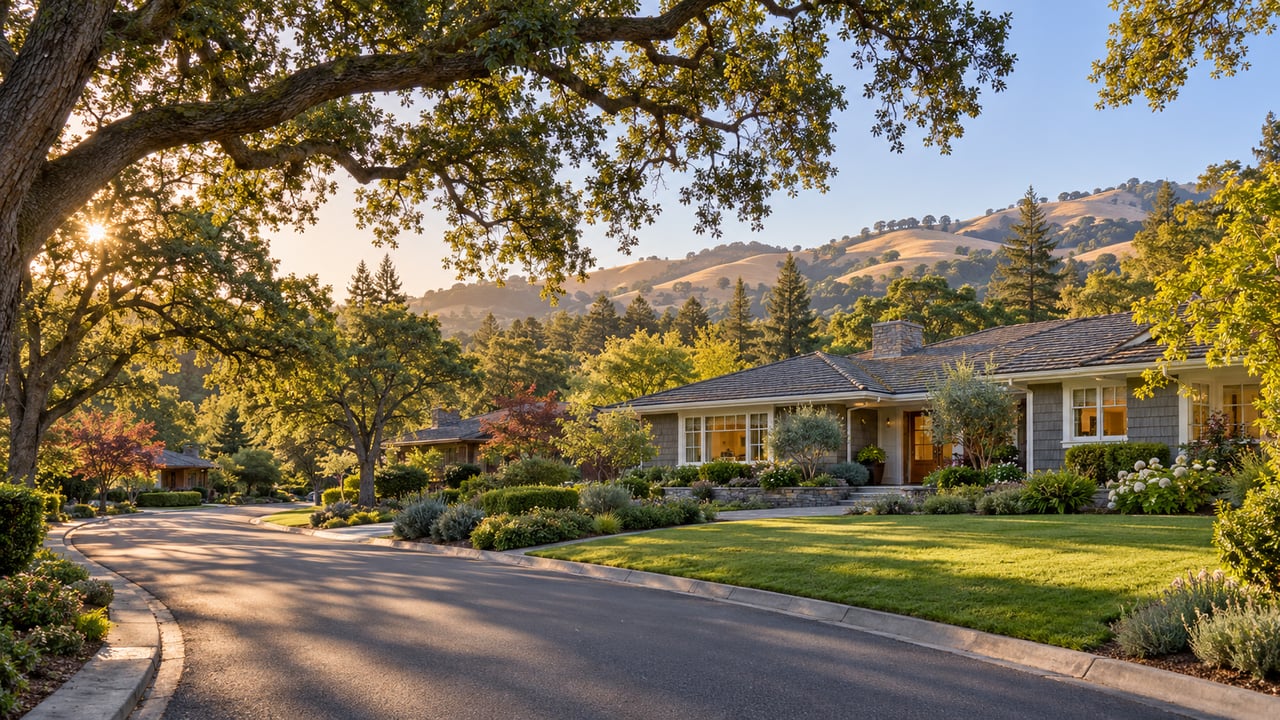
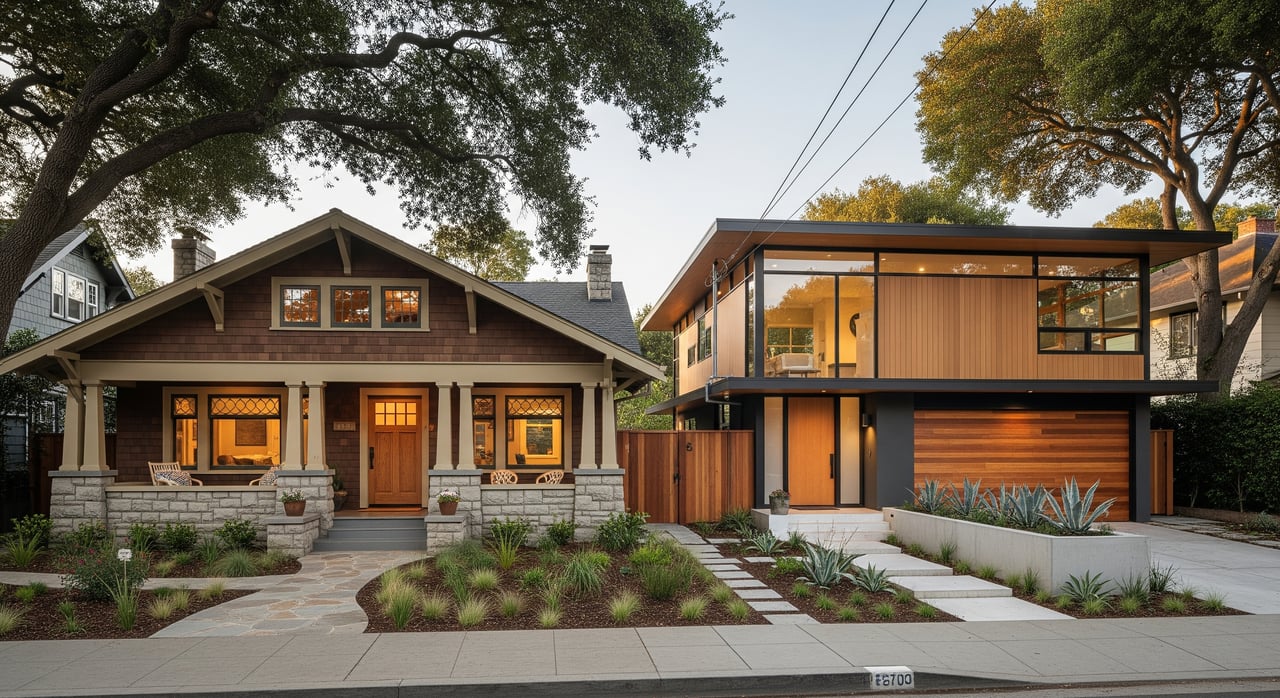
Glenview and nearby Oakland neighborhoods offer a strong mix of early 20th‑century bungalows and revival styles alongside mid‑century single‑family homes. This creates a high concentration of Craftsman and Tudor Revival homes, plus post‑war and Mid‑Century Modern options. You can often find cozy period details a short walk from clean‑lined mid‑century rooms.
The East Bay’s Mediterranean climate brings cool mornings and warmer afternoons, with microclimates shifting over a few blocks. Orientation and tree cover play a big role in how much natural light you get. Because Alameda County is a seismic region, older homes often benefit from retrofit work focused on raised foundations and unreinforced elements.
Craftsman cues in Glenview
Exterior features to spot
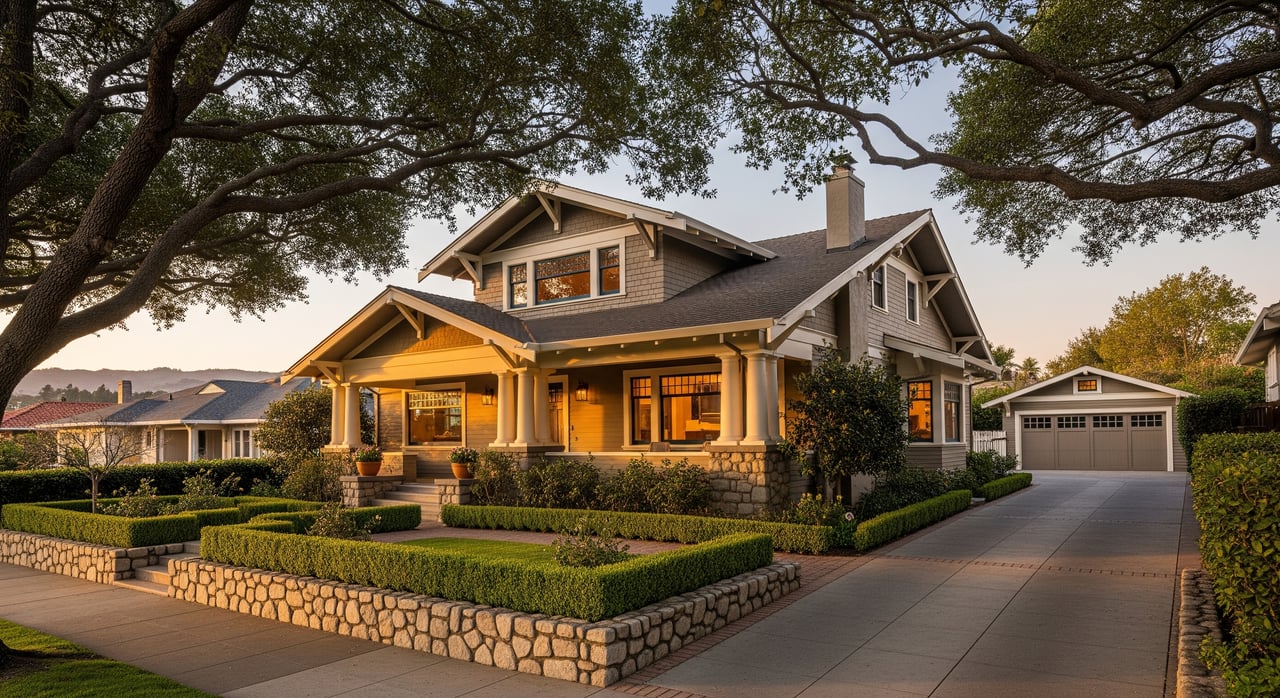
Look for low‑pitched gabled or hipped roofs with wide eaves and exposed rafters. Tapered or squared porch columns set on stone or brick piers usually frame a substantial front porch. Original wood shingles or clapboard siding and multi‑pane‑over‑single‑pane windows are common.
Inside layout and light
Expect defined rooms rather than an open plan. A living room with a prominent fireplace often flows to a formal dining room, with a compact kitchen at the back. Deep eaves and generous porches can shade windows, so interiors feel warm and grounded rather than wide open.
Original details worth keeping
Built‑in bookcases, window seats, inglenooks, exposed beams, and leaded or stained glass add character and value. You will often see wide baseboards, picture rails, crown moldings, and original hardwood floors. Preserve these details when you update.
Common issues and smart updates
Many older Craftsman homes may still have plaster and lath, knob‑and‑tube wiring, single‑pane windows, and limited insulation. Raised wood foundations and crawlspaces can invite moisture or termite issues. Popular updates include opening the kitchen to dining, insulating walls and attics, and upgrading windows while maintaining original proportions.
Tudor Revival touchpoints
Exterior features to spot
Tudor Revival homes often show steeply pitched, multi‑gabled roofs and decorative half‑timbering with stucco infill. Look for asymmetrical facades, arched doorways, tall grouped windows, and a chimney with detailed brickwork. The roof form helps define the interior feel.
Inside layout and light
Rooms tend to be more compartmentalized with cozy alcoves shaped by rooflines. You may see arched openings, wood paneling, and a fireplace as the focal point. Dormers or rear additions often help bring in more natural light.
Original details worth keeping
Stained or leaded glass, ornate mantels, and original hardware are common period features. Plaster walls with fine detail are typical. Preserving window proportions and roof character helps maintain the Tudor’s classic look.
Common issues and smart updates
Similar to Craftsman homes, older mechanicals and insulation can need attention. Complex roof geometry may be more prone to leaks, so roof assessments are important. Thoughtful dormers, skylights, or well‑placed window upgrades can add light without spoiling the silhouette.
Mid‑Century and post‑war homes
Exterior features to spot
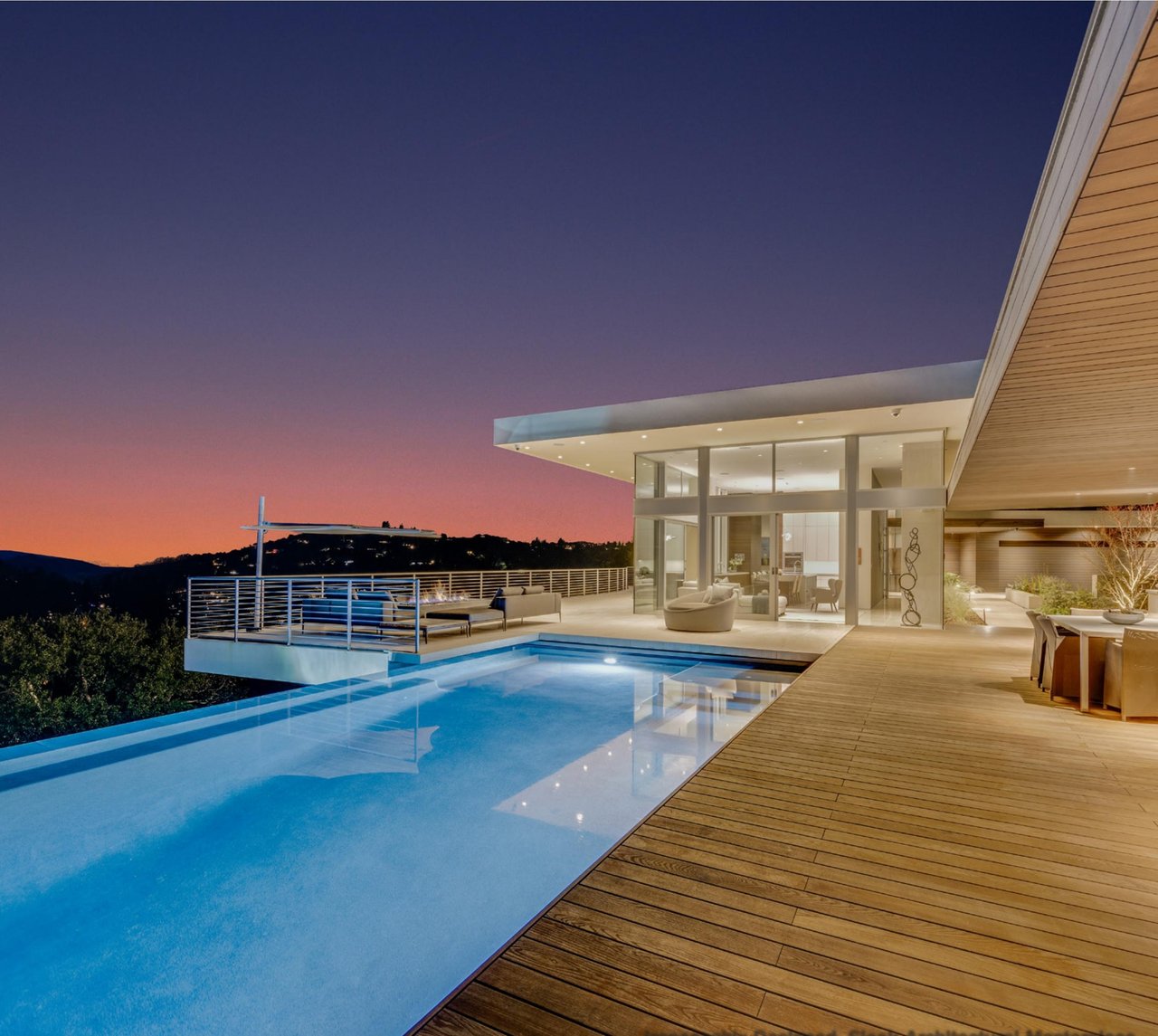
Mid‑century homes showcase low‑pitched or flat roofs, wide overhangs, and clean horizontal lines. Large picture windows, sliding glass doors, and simple carports point to the era. You will often see intentional connections to patios and decks.
Inside layout and light
Open or semi‑open plans and strong indoor‑outdoor flow define the experience. Clerestory windows or window walls bring in daylight, and the orientation of glazing matters for glare and heat. These homes often feel bright and simple by design.
Original details worth keeping
Plywood cabinetry, Terrazzo or original tile, and post‑and‑beam structures are common. Minimal ornamentation is part of the appeal. Keep lines crisp and materials honest when you modernize.
Common issues and smart updates
Flat or low‑slope roofs can have drainage challenges, and thin wall assemblies with single glazing reduce energy efficiency. Some finishes may include asbestos, and lead paint is possible in homes built before the late 1970s. Consider slim double‑pane glazing, careful roof and deck waterproofing, and envelope upgrades that do not alter proportions.
How to read listing photos like a pro
Exterior and structure
- Roof: Uneven lines, patchwork shingles, moss, or sagging signal possible roof or framing issues. Count roof layers if visible.
- Eaves and rafters: Exposed rafter tails are character features in Craftsman homes. Look for rot or peeling paint.
- Porch: Tapered columns and masonry piers deserve a close look for cracks or settling. Check if the porch appears to slope away from the house.
- Siding: Identify original wood shingles or clapboard versus later composite siding that may cover details.
- Chimneys: Vertical cracks or separation at the roofline may suggest seismic or structural concerns.
- Foundation: Side photos can reveal a raised foundation or slab. Raised foundations help with access, but watch for moisture risks.
- Orientation: Large windows facing the backyard often provide better daylight. Deep eaves or porches will add shade.
Interior and layout
- Entry: A small foyer opening to a living room suggests an intact Craftsman layout. A straight hall could indicate later reconfiguration.
- Fireplaces: Original mantels and built‑ins add value. A patched hearth or exposed flue may hint at needed work.
- Trim and built‑ins: Wide baseboards, picture rails, window seats, and bookcases show original character worth preserving.
- Floors: Warped or uneven floors can suggest settlement or water damage.
- Walls: Textured plaster versus smooth drywall tells you about updates. Sagging or seams in ceilings may signal past repairs.
- Windows and light: Picture windows and sliding doors say mid‑century. Grouped double‑hung windows with small upper panes lean Craftsman or Tudor. Heavy curtains in photos can hide actual light.
- Kitchens and baths: Small, enclosed rooms are common in older homes. Open counters suggest a past remodel.
- Mechanicals: Look for radiators, baseboard heaters, wall units, or visible supply vents to understand the heating and cooling approach.
Red flags to slow down for
- Water stains, peeling paint, or efflorescence on foundations
- Mismatched patchwork paint or displaced trim suggesting unpermitted work
- Doors or windows that do not align, which may indicate settlement
- Boarded windows or roof tarps indicating deferred maintenance
- “As‑is” language paired with few interior photos
Renovation and retrofit basics in Oakland
Structural and seismic
Older Bay Area homes often benefit from foundation bolting, cripple wall bracing, and chimney evaluation. Unreinforced masonry is a common hazard to check during inspections. Local programs and contractors are familiar with crawlspace and soft‑story retrofits, and City of Oakland and Alameda County building departments set permit requirements.
Mechanical, envelope, and materials
Knob‑and‑tube wiring and undersized electrical panels can appear in older homes. Plumbing may include galvanized steel or, in some post‑war homes, polybutylene that needs replacement. Original single‑pane windows and uninsulated walls lower energy performance, and regional programs like BayREN can offer guidance and potential rebates for insulation, heat pump systems, and window upgrades.
For homes built before the late 1970s, lead paint is possible and certain components may include asbestos, such as floor tile or pipe wrap. Renovation work should follow applicable rules for safe handling and contractor practices.
Design‑sensitive updates
- Kitchens: Open sightlines are popular, but keep built‑ins and casework where possible. Matching trim profiles and hardware helps updates feel seamless.
- Bathrooms: Upgrade plumbing and electrics while preserving tile patterns or vanity sizes that suit the era.
- Windows: For Craftsman and Tudor, consider repair, weatherstripping, and interior storms or historically sensitive retrofits. For mid‑century, use slim double‑pane solutions that keep glass areas large.
- Daylighting: Dormers, thoughtfully placed skylights, and light wells can help in Craftsman or Tudor homes. In mid‑century homes, bigger openings to decks and yards preserve the indoor‑outdoor spirit.
- Materials: Match wood species and profiles for trim repairs and choose repair over replacement for mantels and built‑ins when feasible.
Permits and unpermitted work
Most changes that affect structure, windows, or major systems require permits. Confirm permit history with City of Oakland and Alameda County records during due diligence. Unpermitted work can impact financing and future resale.
Cost and timeline basics
Cosmetic updates like paint, floors, and appliances can be quick wins. Structural work, roof replacements, and retrofits add time for permits and inspections. Energy and mechanical upgrades are common mid‑scale projects that typically involve licensed contractors.
Quick cheat sheet for Glenview buyers
- If you see deep millwork, window seats, and stained glass, you likely have a Craftsman worth preserving.
- Steep gables, half‑timbering, and arched doors point to Tudor charm and more compartmentalized rooms.
- Big picture windows and low rooflines mean mid‑century, so check orientation for brightness and heat.
- Crawlspace or side shots revealing vents and foundations help you assess retrofit potential.
- When listings skip utility rooms, basements, or panel photos, request disclosures on roof age, foundation type, electrical panel, and permits.
Ready to find your fit in Glenview?
Whether you are drawn to a shady Craftsman porch, a storybook Tudor roofline, or a sunlit mid‑century living room, you have great options in Glenview. With a design‑sensitive eye and local insight, you can prioritize the right details, budget for common upgrades, and protect long‑term value. If you want a calm, organized process with thoughtful guidance, connect with Lauren Kilbourne to refine your search, evaluate homes with confidence, and move when the right one appears.
FAQs
What makes Glenview’s housing mix unique in Oakland?
- Glenview blends early 20th‑century Craftsman and Tudor Revival homes with mid‑century and post‑war houses, giving you a range of architectural styles in a compact area.
How does the East Bay climate affect home light and comfort?
- Microclimates shift quickly, so orientation and tree cover strongly influence natural light and warmth, especially in homes with deep eaves or large glass walls.
What seismic upgrades should I ask about on older homes?
- Ask about foundation bolting, cripple wall bracing, and chimney reinforcement, and review any retrofit permits or engineering reports.
Are single‑pane windows a dealbreaker in Craftsman or Tudor homes?
- Not necessarily; you can often improve comfort with repair, weatherstripping, interior storms, or historically sensitive replacements that maintain sightlines.
What should I watch for with mid‑century flat or low‑slope roofs?
- Focus on drainage, waterproofing, and roof condition, and review any recent work or warranties on roofing and decks.