Thinking about listing in Grand Lake but not sure if you should stage or sell as-is? You are not alone. In a neighborhood where buyers scroll through polished photos and expect move-in ready spaces, this choice can feel high stakes. This guide gives you a clear, local framework to weigh costs, timelines, buyer expectations, and potential ROI so you can move forward with confidence. Let’s dive in.
What Grand Lake buyers expect
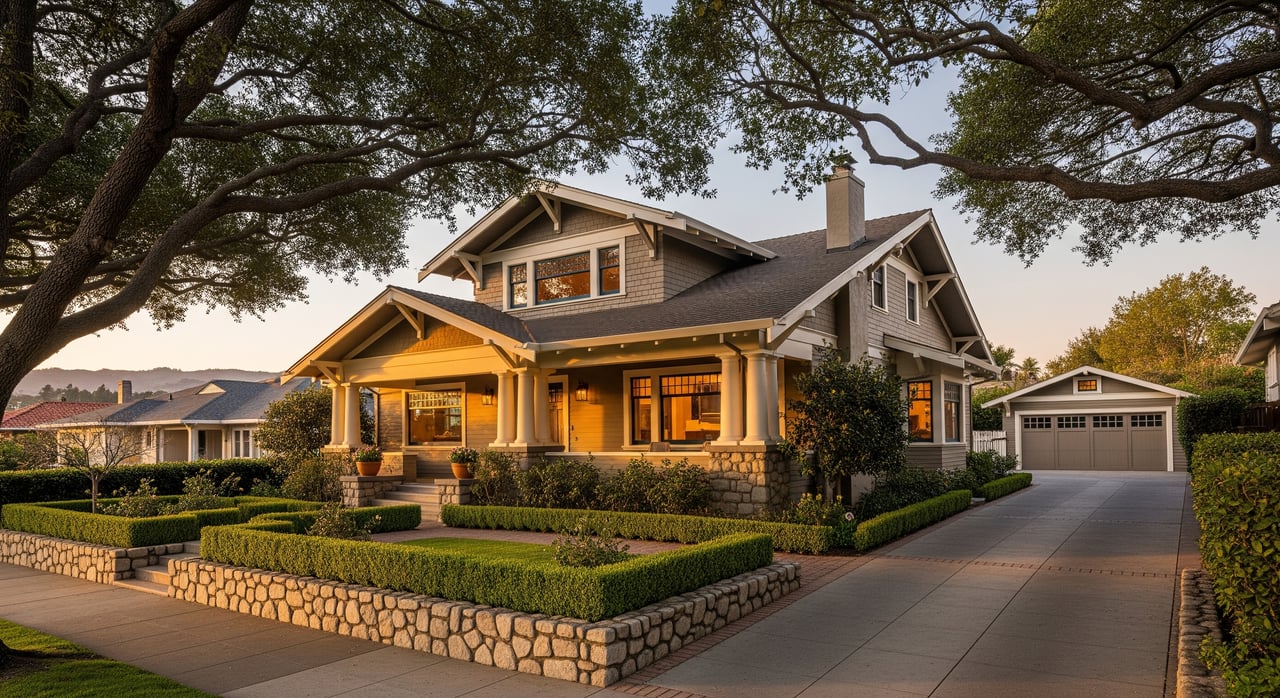
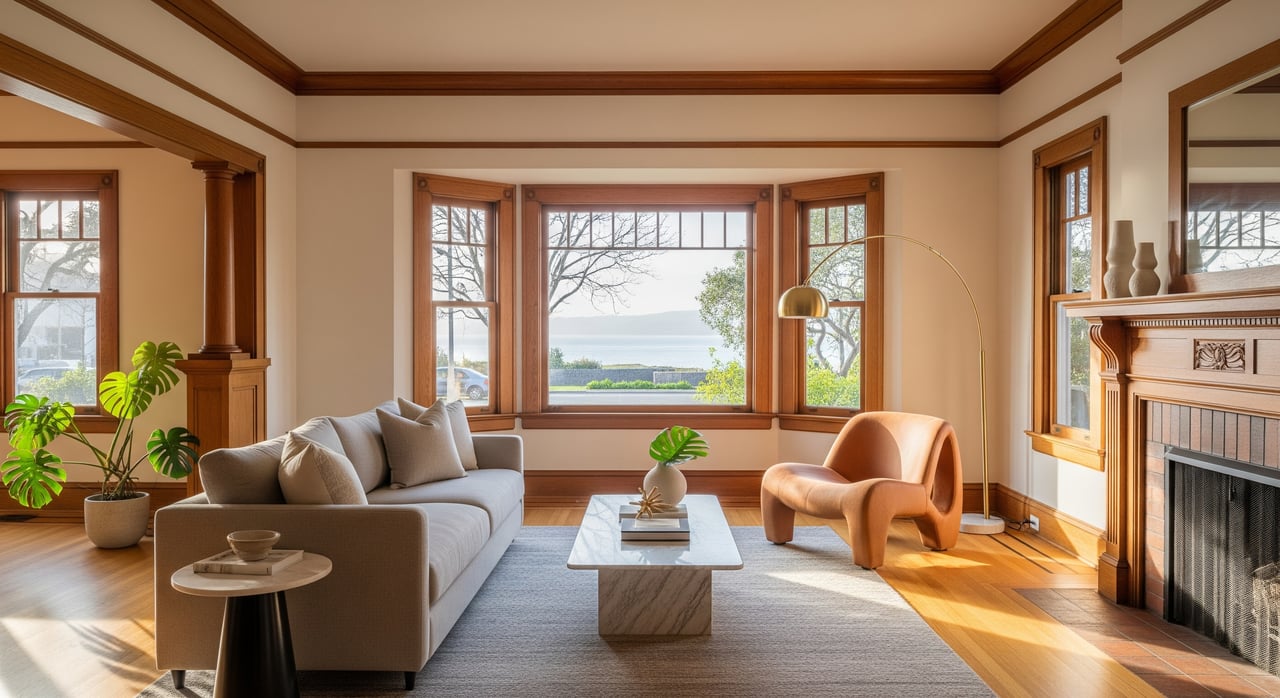
Grand Lake sits around Lake Merritt with a mix of early 20th-century bungalows, Craftsman homes, mid-century condos, and newer infill. The area draws professionals, small families, and lifestyle buyers who value walkability and transit access. Many shoppers want clean, well-lit interiors, updated kitchens and baths, and usable outdoor space.
Because nearby listings often look polished, a dated or cluttered interior can push your home into the investor buyer pool at a lower price point. Vacant homes especially benefit from physical staging because empty rooms photograph smaller and feel less inviting in person. In a hotter market, as-is listings can still attract multiple offers. In a slower market, thoughtful presentation helps you stand out and reduce days on market.
Your three options explained
Full staging
- What it is: Professional furniture and accessory rental with styling across key rooms. Includes pro photography.
- Pros: Strong online presentation, helps buyers visualize flow, can shorten time on market, and is powerful for vacant homes or higher price points.
- Cons: Upfront cost, monthly rental fees, and a multi-day setup.
Minimal refresh
- What it is: Targeted, low-cost fixes like decluttering, deep cleaning, minor repairs, and fresh neutral paint in key rooms. Pro photos included.
- Pros: Lower cost, faster turnaround, and addresses common buyer objections without a full overhaul.
- Cons: Less effective for vacant homes or spaces with awkward layouts or very dated finishes.
Sell as-is
- What it is: List in current condition with little to no pre-sale work. You may still do a clean and photos, and consider virtual staging.
- Pros: Little to no prep expense, appealing to investors and cash buyers looking for speed and value.
- Cons: Smaller buyer pool, potential for lower offers and longer time on market, and higher appraisal risk if condition lags behind comps.
Timelines and costs in Alameda County
Every home is different, but these local ranges help you set expectations.
Typical prep timelines
- Planning and estimates: 3 to 10 days
- Declutter and deep clean: 1 to 3 days
- Minor repairs and touch-ups: 3 to 14 days
- Paint 2 to 3 rooms: 3 to 7 days
- Staging install: 1 to 5 days
- Photos after staging: 1 day
Total windows by strategy:
- As-is: 0 to 7 days
- Minimal refresh: 1 to 3 weeks
- Full staging with targeted updates: 2 to 6 weeks
Typical cost ranges
- Declutter and hauling: $200 to $1,500
- Deep cleaning: $200 to $800
- Minor repairs: $300 to $3,000
- Interior paint per room: $300 to $1,200
- Kitchen refresh (not full remodel): $2,000 to $12,000
- Bathroom cosmetic refresh: $1,000 to $8,000
- Staging for vacant homes: $1,500 to $6,000+ setup, plus $500 to $3,000+ monthly
- Partial/occupied staging: $500 to $3,000
- Virtual staging: $50 to $300 per photo
- Professional photography: $150 to $800
- Pre-listing inspection: $300 to $800
Bay Area demand and labor costs can push these numbers higher, so it is smart to get two to three written quotes and build buffer time.
A simple decision scorecard
Use this quick scoring system to choose a path. Score each item 0 to 2, then total your score.
- Property condition (structure/systems)
- 0 = major repairs needed
- 1 = some visible defects
- 2 = sound
- Presentation issues (dated, cluttered, dark)
- 0 = multiple issues
- 1 = a few cosmetic needs
- 2 = well presented
- Price tier and dollar impact
- 0 = low price tier
- 1 = mid tier
- 2 = high price per square foot
- Time to market
- 0 = urgent
- 1 = moderate
- 2 = flexible
- Buyer competition and comps
- 0 = most nearby listings are staged/renovated
- 1 = mixed
- 2 = many as-is comps
- Target buyer type
- 0 = investor-driven
- 1 = mixed
- 2 = owner-occupier focused
How to interpret your total:
- 10 to 12: Strong case for full staging and selective updates.
- 6 to 9: Minimal refresh with selective staging in key rooms.
- 0 to 5: Selling as-is may be acceptable. Adjust price for condition and target investors.
Practical rules of thumb:
- Vacant home: lean toward physical staging. Virtual staging is a budget option but tends to be less impactful.
- Cluttered but structurally sound: prioritize decluttering, paint, repairs, and professional photos.
- Major systems or structural issues: consider as-is or offer credits. Staging alone will not overcome big repairs.
- Hot market and tight timeline: as-is can work with sharp pricing. If you have a bit of time, a quick refresh broadens your buyer pool.
Estimate ROI with a quick formula
Use a conservative estimate for uplift, then compare it to your costs.
- Variables:
- P = expected sale price without prep
- Δ% = conservative uplift estimate from staging or refresh
- C = total prep cost
- Net benefit = (P × Δ%) − C
Examples of uplift to test:
- Minimal refresh: 1 to 3% uplift
- Full staging in competitive markets: 2 to 6% uplift
Sample scenario:
- P = $900,000
- Δ% = 2% for full staging → $18,000 uplift
- C = $4,000 total staging and minor fixes
- Net benefit = $18,000 − $4,000 = $14,000
Run low, medium, and high cases to understand risk and reward. Even a small percentage lift can mean meaningful dollars in Grand Lake due to higher price per square foot.
Build local comps to support your choice
Documents beat hunches. Create a small comp set to see how presentation affects outcomes.
What to collect:
- Property basics: type, beds/baths, square footage, lot size
- Condition notes: staged, virtually staged, occupied, vacant, updated
- Pricing and timing: list price, sale price, days on market, sale-to-list ratio, dates
- Photos: compare staged vs. unstaged images and note which rooms were staged
- Credits or concessions: if disclosed
Where to look:
- MLS for accurate histories and agent notes
- Public portals for photos and quick pricing snapshots
- Alameda County Assessor and Recorder for official sold data
- City of Oakland permit pages if you plan work that may need permits
What to measure:
- Average days on market for staged vs. unstaged comps
- Average sale price as a percentage of list price
- Dollar differences after adjusting for square footage and condition
Keep in mind that staging often comes with better marketing and other updates, so results reflect the full package.
Grand Lake scenarios to help you choose
Vacant Craftsman near Lakeshore
- Condition: sound systems, dated interior paint, great light. Comp set shows many staged listings.
- Score: strong on price tier and buyer type, with presentation issues to fix.
- Likely choice: full staging plus paint in key rooms. Expect stronger photos, better traffic, and shorter days on market.
Owner-occupied condo on Grand Avenue
- Condition: tidy but lived-in, a few scuffs, functional kitchen and bath.
- Score: mid-tier mix with time flexibility.
- Likely choice: minimal refresh. Declutter, deep clean, paint living room and bedroom, and add selective staging. This yields most of the benefit without a full install.
Fixer bungalow with foundation and roof needs
- Condition: major systems work needed. Investor buyers are common in this segment.
- Score: lower on condition and buyer pool, time is urgent.
- Likely choice: sell as-is with a pre-list inspection and realistic pricing. Consider offering credits to streamline escrow.
Your next steps
- Pull 8 to 12 Grand Lake comps from the last 3 to 6 months by property type and price band.
- Score your property using the decision factors above.
- Get two to three written quotes from stagers, painters, and photographers with concrete timelines.
- Run the ROI math at 1%, 2%, and 4% uplift to find your break-even.
- If planning work that could need permits, review City of Oakland requirements before booking vendors.
- If selling as-is, order a pre-list inspection to set clear pricing and reduce renegotiation risk.
- Document before-and-after photos and keep receipts to evaluate your actual ROI after closing.
Work with a design-led local expert
If you want a partner to manage the entire process, you are in the right place. As a design-minded, fourth-generation East Bay agent, Lauren integrates staging and project coordination into a calm, organized listing strategy tailored to Grand Lake. You get neighborhood-specific pricing advice, hands-on prep management, curated photography, and thoughtful marketing that speaks to the buyers already walking Lakeshore and Grand Avenue.
Ready to decide whether to stage or sell as-is and map the fastest path to top dollar? Connect with Lauren Kilbourne for a complimentary consultation and pricing review.
FAQs
Should I stage a vacant home in Grand Lake?
- Yes. Vacant rooms often look smaller in photos, so physical staging typically improves online appeal and helps shorten days on market.
How much does staging cost in Oakland’s Grand Lake?
- Expect $1,500 to $6,000+ for setup and $500 to $3,000+ monthly for a vacant home, with partial staging in occupied homes typically $500 to $3,000.
How long will prep take before listing my home?
- Minimal refresh often takes 1 to 3 weeks, while full staging with targeted updates can take 2 to 6 weeks. As-is can be as quick as a few days.
Will selling as-is affect appraisal or financing?
- It can. If condition falls below staged or updated comps, you may face appraisal risk and lower offers, so price accordingly and consider a pre-list inspection.
Is virtual staging enough for Grand Lake buyers?
- It helps online, but physical staging tends to perform better for vacant homes during showings and in competitive segments.